What Is Bedside Nursing?
Written by:
University of Tulsa
• Jun 22, 2026
What Is Bedside Nursing?
Nurses play an essential role in daily patient care, delivering the majority of the hands-on treatment in health care facilities. While many roles in the sector work directly with patients, one that’s becoming increasingly important is that of the bedside nurse. If you’re interested in pursuing a bedside nursing role, learn more about what bedside nursing is, how to become qualified, and the position’s responsibilities.
What Is Bedside Nursing? Responsibilities and More
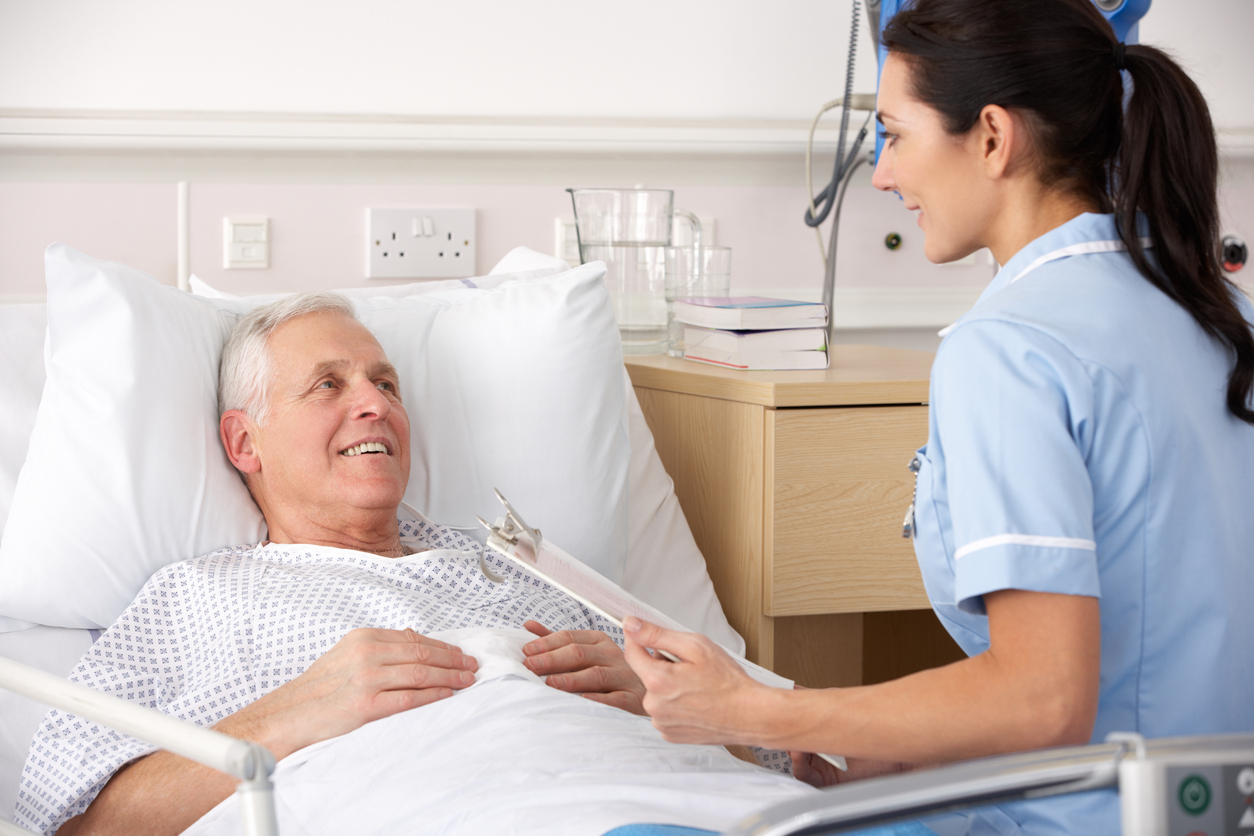
Bedside nursing is what most clinicians think of when describing jobs where nurses work face-to-face with patients. These nurses in this role may work in hospitals or other inpatient facilities, and in a range of specialty areas.
Some examples of bedside nursing specialties include:
-
Oncology
-
Pediatrics
-
Critical care
-
Neonatal
-
Orthopedics
-
Home health
Many duties are physical, but bedside nurses also provide emotional support to patients and help them understand their care and options.
Physical Duties
From changing linens and administering medications to taking vital signs and communicating with other health care providers, bedside nurses perform many hands-on, face-to-face duties at patients’ bedsides. A typical shift may include the following duties.
-
Introducing nursing staff and accessing medical records
-
Conducting verbal reports with patients and/or their families
-
Visually assessing patients
-
Administering medications
-
Asking patients about concerns and goals
In all of these duties, bedside nurses are expected to practice within the limits of their professional licensure, education, and scope of practice.
Care Coordination
Bedside nurses spend more time with patients than physicians and specialists do, so their role involves intermediating between practitioners and patients. Coordinating care ensures everyone is on the same page and understands the various facets of patients’ care plans.
Patient Education and Advocacy
Bedside nurses communicate with patients to help them understand their medical conditions and learn about their desired goals. They must relay this information clearly and effectively to other health care professionals. Patients may feel confused or anxious about a situation, diagnosis, or treatment, so bedside nurses can encourage them, advocate for them, and provide agency.
What Does a Typical Day Look Like for a Bedside Nurse?
Bedside nurses’ daily responsibilities can vary depending on the unit, patient needs, and shift type, but most follow a cadence that combines routine tasks with unexpected challenges. A typical day might include:
-
Beginning a shift by reading a handoff report that outlines each patient’s condition, goals, and care plan
-
Performing initial assessments, checking vital signs, and reviewing medication schedules
-
Administering medications, completing treatments, and documenting all care provided
-
Communicating and collaborating with physicians, specialists, and other care team members
-
Responding to changes in patients’ conditions, from subtle symptoms to urgent needs that require immediate intervention
-
Supporting patients emotionally, answering questions, and helping them understand their care
-
Coordinating discharges, transfers, and follow-up instructions
The Importance of Bedside Manner
Bedside nurses’ attitude and approach can impact patient outcomes. Below are some ways that nurses play an essential role in the health care sector.
Building Trust
Bedside nurses are integral in building trust between patients and providers. Physicians don’t always have time for sustained conversations and relationship building, which can lead to miscommunication and a lack of rapport. Bedside nurses can foster positive connections by communicating empathetically with patients.
Reducing Stress
A sound bedside manner can also reduce patients’ anxiety. Bedside nurses can provide clarity on confusing or distressing diagnoses and communicate with family members to provide reassurance in stressful situations.
Improving the Overall Patient Experience
From providing information about diagnoses to fielding questions about treatment options, bedside nurses can have a significant effect on the patient experience. Patients may be dealing with symptoms, emotions, and treatments that are unfamiliar or uncomfortable. Nurses can be reassuring voices and familiar faces to help advocate for patients’ needs.
Career Pathways for Bedside Nurses
For many nursing program graduates, bedside nursing is a common career option, or the first step in a journey to non-bedside nursing jobs. Different types of bedside nursing positions require different qualifications, including being a registered nurse (RN) or advanced practice registered nurse (APRN).
Registered Nurse
RNs assume bedside duties that range from providing health assessments to operating medical equipment. They work closely with other health care professionals in areas including oncology, addiction, critical care, and genetics. Before becoming licensed RNs, graduates need either an Associate Degree in Nursing (ADN) or a Bachelor of Science in Nursing (BSN) degree.
Advanced Practice Registered Nurse
APRNs work to create treatment plans and diagnose illnesses; in some states, they may prescribe medications. A career as an APRN can include working in pediatric or psychiatric settings. Most APRNs require an RN license and a Master of Science in Nursing (MSN) degree.
Clinical Nurse Leader
After five or more years of clinical nursing experience, bedside nurses can pursue careers as clinical nurse leaders. Lead nurses continue to provide bedside care but also delegate tasks, supervise other nurses, and monitor a unit’s overall patient care.
Is Bedside Nursing Right for You?
Bedside nursing can be deeply rewarding, but it’s important to understand what the role requires. If you’re considering this path, take these factors into account.
Pros of Bedside Nursing
-
Meaningful patient interaction and the opportunity to make a direct impact
-
Fast-paced environments that keep each day engaging and varied
-
Strong job stability and demand across many specialties
-
Opportunities to build foundational clinical skills that support long-term career growth
Challenges to Consider
-
Physically demanding work, including lifting, standing, and long shifts
-
Potential for emotional stress when caring for patients in difficult or uncertain situations
-
The need to multitask and respond quickly to changing patient conditions
-
Shift work, including nights, weekends, or holidays, depending on the unit
If you enjoy helping others, thrive in dynamic environments, and prefer a role in which your work directly improves patient outcomes, bedside nursing can be an excellent fit.
Take the Next Step in Your Nursing Career
Bedside nursing is an integral part of effective patient care and can improve health care outcomes. If you have a nonnursing degree and want to make a career change to nursing, the University of Tulsa’s online Accelerated Bachelor of Science in Nursing (ABSN) program can prepare you for this rewarding career in as few as 21 months. TU’s ABSN program offers an efficient, accessible, and streamlined avenue for earning your bachelor’s in nursing.
Find out how this program can prepare you for a career in bedside nursing.
Recommended Readings
How to Become a Research Nurse
RN vs. BSN: Why Earn Your BSN?
What Are the 3 P’s in Nursing?
Sources:
Covalon, “What Is Bedside Nursing?”
Shine On RN, Pros and Cons of Bedside Nursing: Is It the Right Fit for You?